

Yoga psychology is not a modern invention; it is a refined and time-tested understanding of the mind developed through direct observation, meditation, and disciplined inner inquiry over thousands of years.
At its heart, yoga psychology asks a simple but profound question:
What is the nature of the mind, and how can we live with greater clarity, steadiness, and freedom within it?
Today, we would like to share some of the foundations of this approach, including the philosophies, practices, and inner skills that shape genuine yogic psychological work.
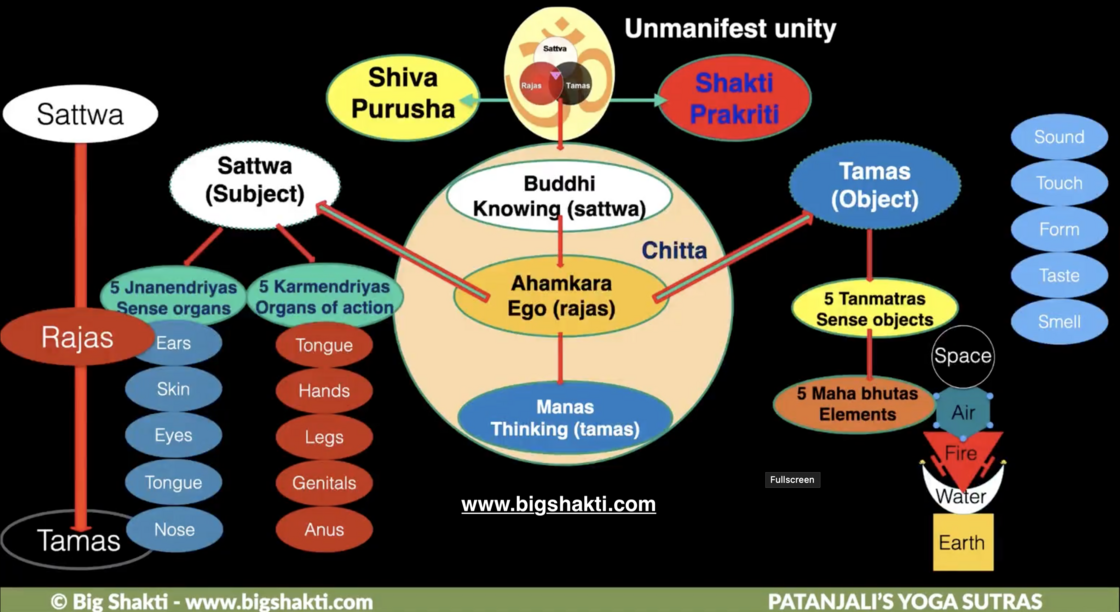
1. A Map of the Mind
Yoga psychology begins with a clear model of the human system. It recognises that what we call “mind” is not a single entity, but layered:
- Manas — the sensory and reactive mind
- Buddhi — the discriminating intelligence
- Ahamkara — the sense of identity or “I-maker”
- Chitta — the deeper field of impressions and memory
Beneath daily thoughts lie samskaras (impressions) and vasanas (latent tendencies). These shape perception, emotional reactions, habits, and behavioural patterns.
Rather than pathologising experience, yoga psychology seeks to understand these forces. When we recognise how impressions form and how they repeat, we gain the ability to respond with awareness rather than reflex.

2. The Gunas: The Qualities of the Mind
Yoga psychology describes three universal qualities known as the gunas:
- Tamas – inertia, dullness, resistance
- Rajas – restlessness, activity, agitation
- Sattva – clarity, balance, harmony
Mental health, in this framework, is not the absence of difficulty. It is the cultivation of sattva (clarity and equilibrium). Practices such as meditation, pranayama, mantra, and disciplined self-study gradually increase sattva. As clarity increases, reactivity decreases. Insight becomes possible.
3. The Role of Practice
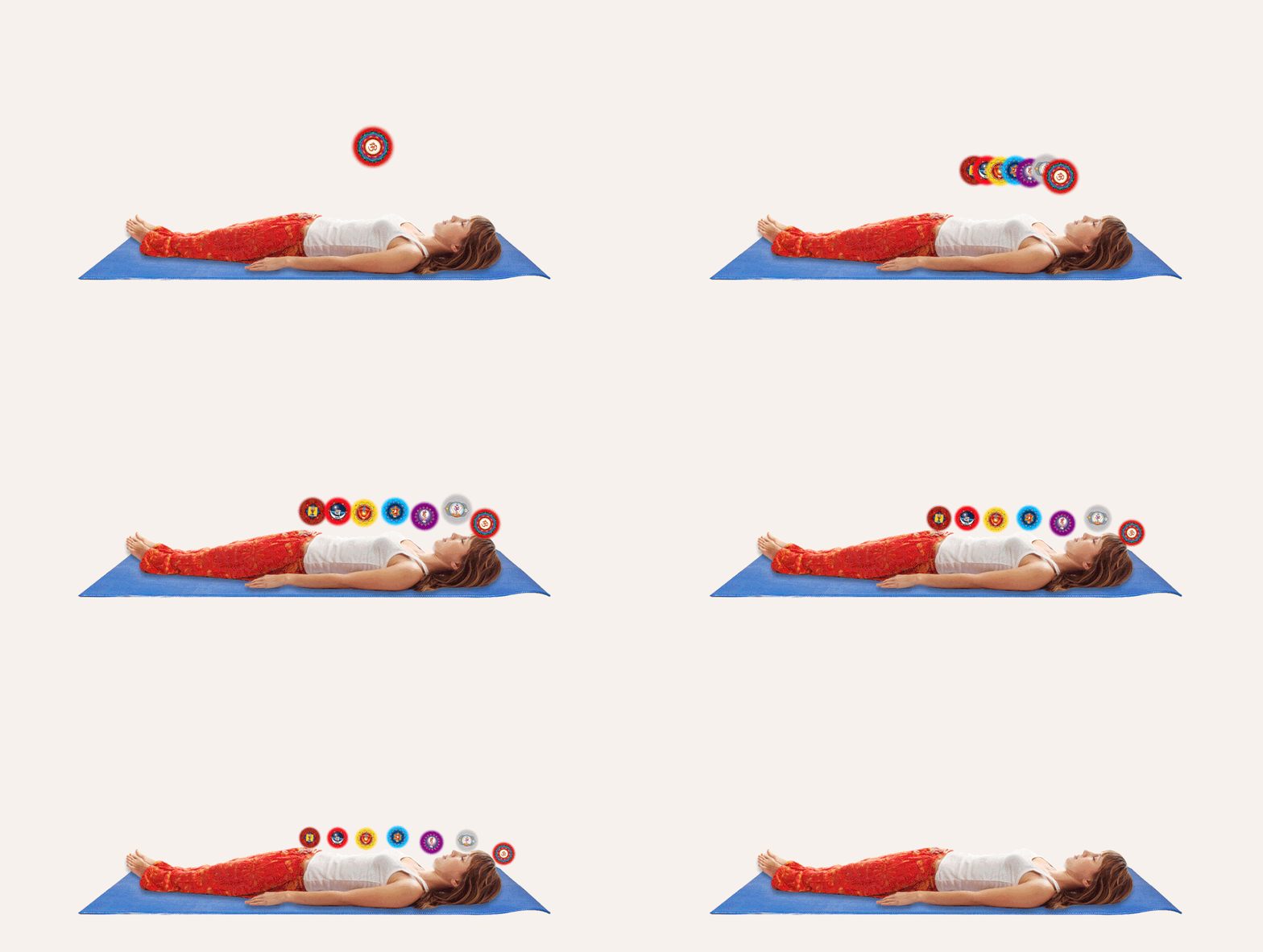
In yoga psychology, knowledge alone is not sufficient. The mind must be trained. Practices such as:
- Yoga Nidra (systematic relaxation)
- Ajapa Japa (mantra-based awareness of breath)
- Pranayama (regulation of vital energy)
- Meditative self-observation
are not merely calming techniques. They reshape the nervous system, regulate the subtle body, and refine awareness. Over time, they develop essential inner skills such as:
- Emotional regulation
- Observational awareness
- Non-reactivity
- Discernment (viveka)
- Steadiness under stress
This is psychological maturation through disciplined practice.

4. Healing Through Awareness
Yoga psychology recognises that suffering often arises from misidentification, confusing passing mental states with the deeper Self. When awareness is cultivated, we begin to see:
“I am experiencing anxiety” rather than “I am anxious.”
That small shift creates space. In that space, integration becomes possible.
Shadow work, therapeutic meditation, and systematic self-inquiry allow unconscious material to surface gently, providing steady illumination.

5. Development Beyond Symptom Relief
Yoga psychology is not limited to managing stress or resolving trauma. It also supports:
- Expansion of awareness
- Refinement of perception
- Integration of instinct and intellect
- Awakening of deeper consciousness
It bridges philosophy and lived experience, which is why we approach it in layers.
If You Feel Called to Study Yoga Psychology More Deeply
For those who wish to explore these foundations in a structured way, we offer three progressive pathways.
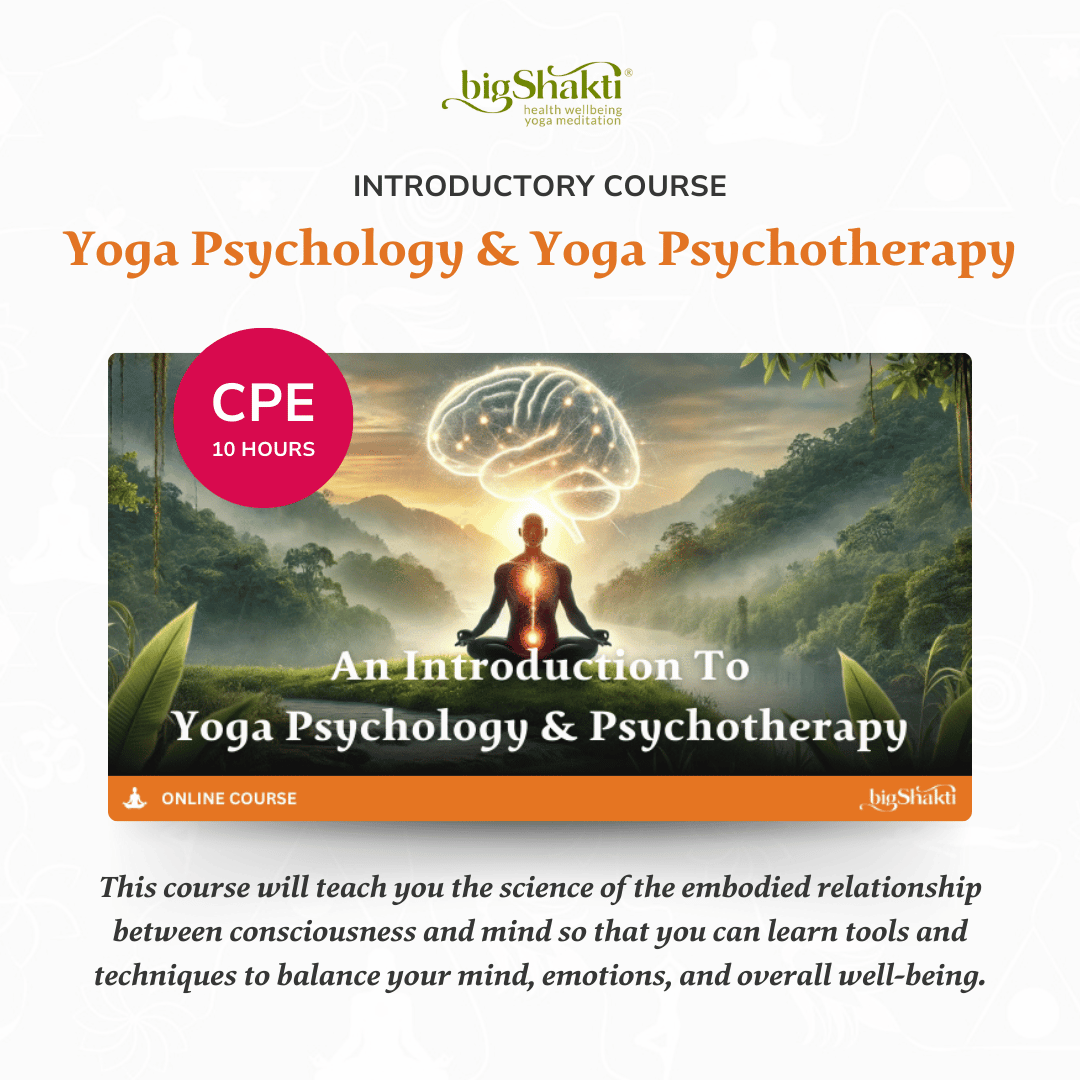
1. Introduction to Yoga Psychology & Psychotherapy
Foundation Knowledge
This course provides the essential philosophical and psychological framework including the structure of mind, the gunas, samskaras, the relationship between consciousness and mental activity.
It is ideal for those who want a clear intellectual and experiential foundation in yogic psychology.
2 modules
20 lessons
2 meditations
8 CPD points
This is the starting point.
🔗 Learn More About This Course
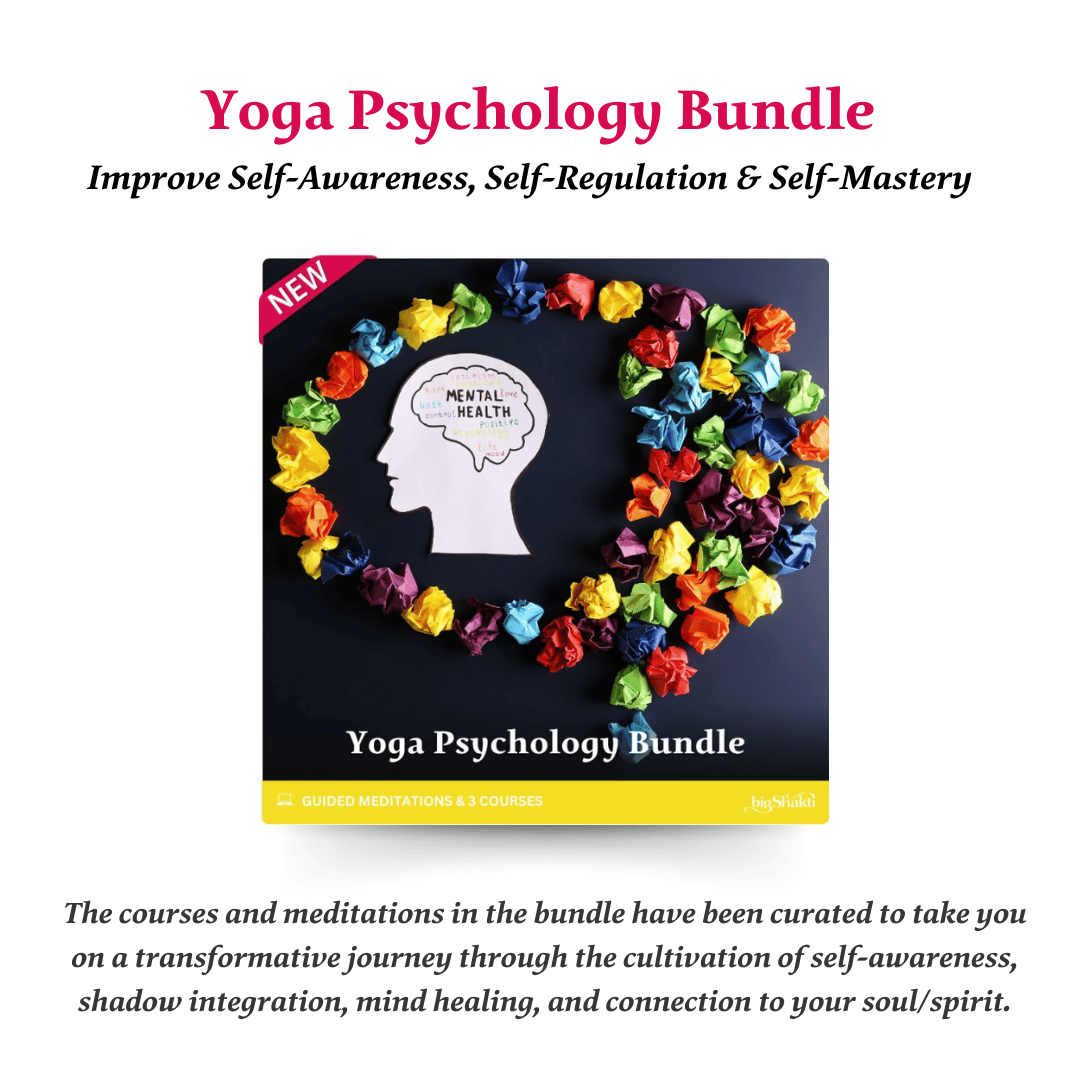
2. Yoga Psychology Bundle
Expanding Awareness
For those ready to go further, this bundle includes:
- Introduction to Yoga Psychology & Psychotherapy
- Facing the Shadow Course
- Healing the Mind (Ajapa Japa Stage 1)
- Therapeutic Meditation Bundle (6 guided meditations)
This pathway moves from knowledge into integration — working with unconscious material, emotional patterns, and mantra-based mental refinement.
It is suitable for students and practitioners who want a broader and more applied understanding of yoga psychology.
3 courses
6 therapeutic meditations
24 CPD points
Here, awareness deepens.
🔗 Learn More About These Teachings
3. Yoga Therapy Bundle
Deep Dive into Philosophy, Awareness & Healing
For those who wish to immerse themselves fully in this field, the Yoga Therapy Bundle offers comprehensive training:
- 4 deep-dive Yoga of Mental Health teachings
- 4 multi-lesson comprehensive courses
- 38 guided meditations
- A wide range of integration exercises
- Email support directly from teachers
- CPE Certificates upon completion
This pathway supports both personal transformation and professional application. It is rigorous, layered, and deeply practical offering a complete yogic pathway to emotional balance, psychological well-being, and deeper self-understanding.
🔗 Learn More About This Bundle of Teachings
Yoga psychology is not a trend. It is a living science of consciousness.
Whether you begin with a single course or undertake a deeper immersion, the essential principle remains the same:
Steady practice. Clear understanding. Gradual integration.
May your study be thoughtful and grounded, and may it bring clarity to the deeper layers of your mind.
With blessings,
Dr Swami Shankardev Saraswati & Jayne Stevenson
Big Shakti

Comments