
Emotions are the currents that move through our lives, shaping how we experience ourselves, our relationships, and the world around us.
- When emotions flow in balance, they energize us and infuse life with meaning.
- When we are overwhelmed by them, we can lose our health, clarity, and inner strength.
At the heart of emotional well-being lies self-regulation — the ability to experience emotions fully without being dominated by them. Self-regulation is not about suppressing feelings or pretending to be unaffected, but managing emotions effectively. It's about staying grounded and connected to ourselves, even amidst powerful emotional waves.
In modern life, chronic stress, information overload, and emotional disconnection erode our self-regulation. Many people either suppress emotions, leading to tension and illness, or are overwhelmed by them, living in chronic reactivity.
Ancient yogic wisdom traditions offer the knowledge and techniques to build the skill of emotional self-regulation. Practices like conscious breathing, meditation, mantra, and visualization all harmonize the nervous system, calm the emotional brain, and awaken the heart’s deeper intelligence.
In yogic psychology, emotions are seen not as obstacles but as powerful energies that, when directed wisely, fuel healing, creativity, and spiritual growth.
A vital part of this transformation is restoring the feeling function, the ability to sense, value, and experience life meaningfully.
- When the feeling function is impaired, we lose touch with purpose and joy.
- When it is restored, we reconnect with vitality and inner guidance.
Like physical strength, emotional resilience must be cultivated through education, practice, and dedication. Yogic techniques provide clear, practical pathways to develop this strength, blending ancient wisdom with modern psychological insight.
When we restore self-regulation, emotions no longer destabilize us. They become powerful allies, deepening our connection to ourselves, others, and the larger flow of life.

Our four-part series of Yoga of Mental Health Workshops, explores the healing of one of the most powerful yet misunderstood forces in human experience: emotion and feeling.
In Workshop 3 - Restoring Self-Regulation: Yogic Techniques for Emotional Resilience & Inner Strength, we explore how emotions influence your entire being and how to work with them in a grounded, transformative way.
Drawing on yogic wisdom and Jungian psychology, we explore the feeling function, a deeper inner capacity that enables one to discern meaning, build resilience, and restore emotional balance.
Each workshop in the series stands alone and is a complete teaching in itself. Each offers practical tools to support your mental and emotional well-being.
Workshop 3: Restoring Self-Regulation ~ Yogic Techniques for Building Emotional Resilience and Inner Strength
Overview:
This immersive workshop offers a profound exploration of how to rebuild emotional resilience and cultivate the strength to remain calm, grounded, and responsive even in life’s most challenging moments.
Through a blend of yogic psychology, meditation training, and practical self-regulation techniques, you'll learn how to shift from emotional reactivity to empowered inner balance.
What You’ll Learn:
- The true nature of emotions, feelings, and moods—and how they shape your inner world.
- How the nervous system and brain chemistry create emotional states, and how yogic techniques can rewire these patterns.
- How restoring the feeling function reconnects you to joy, meaning, and authentic emotional vitality.
- The connection between emotions and the chakras, and how balancing energy centers fosters emotional stability.
- Practical methods to build emotional resilience, clarity, and a stronger inner foundation.
Practical Techniques You’ll Practice:
- Ajapa Japa Meditation for emotional healing and inner integration
- Breathwork and Mantra practices for balancing mind and energy
- Core Strength Calm Mind techniques for developing emotional resilience
-
Chakra-based visualizations for emotional purification and awakening higher states like compassion and inner joy
This workshop is for anyone who wants to better understand their emotions, overcome anxiety or emotional instability, and cultivate deep, lasting inner strength. Whether you seek healing, personal growth, or spiritual deepening, this workshop will offer practical tools and profound insights.
You’ll leave with a toolbox of skills that empower you to face life’s changes with emotional steadiness, clarity, and vitality.
🔹 Samkhya Philosophy & Mental Health – Begin with the foundation. Samkhya provides a map of the mind, offering insight into how mental patterns form and how suffering can be transformed into clarity.
🔹 Uncovering the Roots of Mental Illness – Drawing from the Bhagavad Gita and Patanjali’s Yoga Sutras, we explore how ancient texts illuminate the causes of mental distress and offer pathways to inner stability.
🔹 Restoring Self-Regulation – Learn yogic practices such as breathwork and meditation to regulate emotions, strengthen inner resilience, and create inner balance.
🔹 Mantra Therapy – Explore how sound and vibration can reshape thought patterns, shifting the mind toward healing and well-being.
Each 2 hour workshop includes a teaching lecture, guided meditation, interactive Q&A, and a CPE certificate. All registered participants also receive recordings.
WHO FOR: This series is ideal for yoga practitioners, healthcare professionals, and anyone seeking a holistic approach to mental well-being—bridging ancient philosophy with practical, transformative tools.

The Aim of Yoga Psychotherapy
We encourage you to revisit our blog post, which outlines the three main aims of yoga psychotherapy: self-awareness, spontaneity, and intimacy. People come to Yoga Psychotherapy to deal with various issues, from seeking relief from anxiety, pain, and illness to finding authentic spiritual meaning.
As part of the journey to wholeness, we must learn how to manage an overactive mind, turbulent emotions, and old traumas that cause us to shut down parts of ourselves. We become fragmented and lose our center.
As we engage with inner healing, we learn how to form a loving relationship with ourselves and heal old wounds. Many of these wounds have been inherited, while others have been self-inflicted through ignorance.
📕 Read Article: The Aim of Yoga Psychotherapy
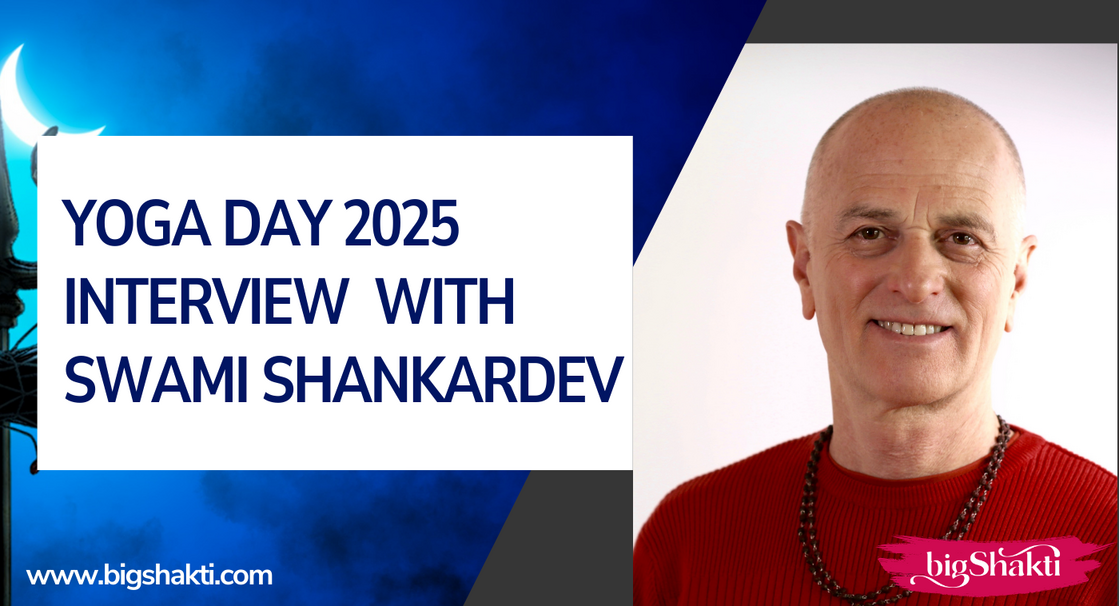
Dr Swami Shankardev Saraswati was a featured teacher and headline speaker at Yoga Day 2025 where he presented his keynote, “The Principles of Yoga Therapy for Mental Wellness—Ancient Wisdom for Modern Minds,”. This session unpacked how Samkhya, Vedanta, Patanjali’s Yoga, and Tantra can team with modern psychology to develop mental strength and emotional resilience and illuminate the path to deeper Self-realisation.
Listen to Swami's interview with Yoga Day founder Janie Larmour about his talk and the collective power of events like Yoga Day.
Listen or Watch: Yoga Day Interview
Reflection
"“To cherish secrets and to restrain emotions are psychic misdemeanours for which nature finally visits us with sickness—that is, when we do these things in private. But when they are done in communion with others they satisfy nature and may even count as useful virtues."
Here are 5 reflection points to consider as you move through the month.
- How would you describe your current relationship with your emotions? Do you tend toward "emotional diarrhea" (being overwhelmed by emotions) or "emotional constipation" (suppressing emotions)? What impact has this pattern had on your mental health and relationships?
- DO you know the difference between emotions and the deeper concept of feeling, bhāva in Sanskrit? How might restoring your "feeling function" change your experience of both positive and difficult emotions?
- Which of the three brain parts (brain stem/autonomic system, limbic/emotional system, or neocortex/thinking brain) do you feel dominates your responses to stress, and how might bringing these three parts into better harmony benefit your emotional resilience?
- What barriers have prevented you from establishing a consistent meditation practice to better manage emotions, and what specific benefits of meditation do you imagine you might receive from regular meditation practice? Think of these benefits as they relate to your personal needs.
- How do you currently cultivate resilience in your life? Which of the following: sense of coherence, self-efficacy, internal locus of control, self-esteem, or sense of optimism, do you feel is strongest for you, and which might need more development?
Featured Teaching
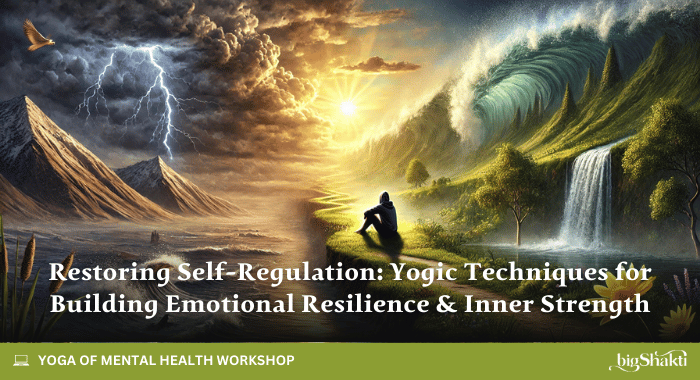
Restoring Self-Regulation - Yogic Techniques for Emotional Resilience and Inner Strength
Do you work with clients who find it challenging to regulate their emotions?
Traditional approaches to mental health often fall short in providing long-term emotional stability. But what if emotional dysregulation wasn't just a challenge, but an opportunity for deep healing and transformation?
This workshop teaches how ancient wisdom can support mental health and develop inner strength for healing.

Behind the Scenes: Strength in Stillness
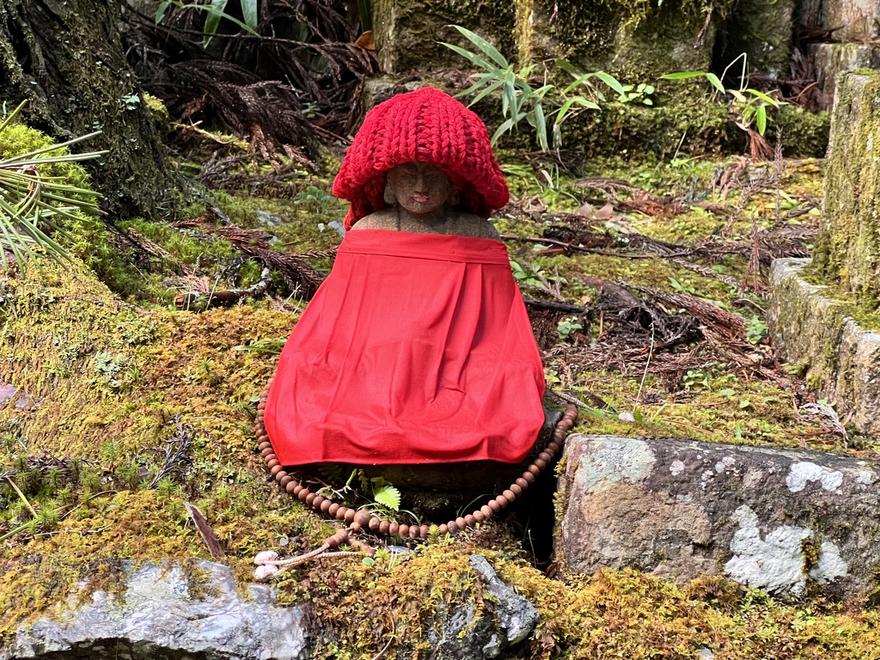
During my visit to Okunoin Cemetery on Mount Koya yers ago, I was struck by the quiet power that permeates the place. It is said that Kobo Daishi, the great master of Shingon Buddhism, still rests here in eternal meditation. Walking among the 1200-year-old cedar trees and ancient gravestones, I could feel that presence — a sense of peace that runs deeper than words.
At first, there was a weight to the atmosphere — the awareness of so many lives, so much impermanence. Yet as I walked slowly, that weight shifted. What I felt instead was steadiness. A stillness that has held through centuries of change, storms, seasons, and human emotion.
It reminded me that true emotional resilience is not built by armouring ourselves against pain or uncertainty. It grows through surrender — through learning to stay open and centred even when life feels heavy.
In that sacred silence, I felt what we try to cultivate through yoga and meditation: inner strength that arises from stillness, not struggle. A strength that listens. That feels. That remains calm amidst all that comes and goes.
Standing among those moss-covered stones, I was reminded that resilience is not something we do — it’s something we become, when we are willing to be fully present with life in all its forms.
— Jayne

Jayne at the Okunoin Cemetery, located on Mount Koya, near Kyoto in 2023. It's the largest cemetery in Japan and one of its most sacred sites. The cemetery was founded in 816, making it over 1200 years old, and houses the mausoleum of Kobo Daishi (Kukai), a prominent figure in Shingon Buddhism.


That's all from us for now. Take care and stay well 🧘🏼
Dr Swami Shankardev Saraswati & Jayne Stevenson

Comments